Beginner Indoor Plant Mistakes to Avoid
Indoor plants can make your home feel calm, cozy, and fresh. But if you are new to plants, it is easy to feel confused.
Maybe your plant looked perfect when you bought it. Then the leaves turned yellow. The soil stayed wet. The plant drooped. You searched online and found too many different answers.
You are not alone.
Most beginner indoor plant mistakes happen because people are trying to help their plants, but they are using the wrong method. The good news is simple: once you understand light, water, pots, and plant signals, indoor plant care becomes much easier.
This guide will help you avoid the most common plant care mistakes and build a simple care routine that fits real apartments, busy schedules, and beginner homes.
Quick Answer: What Are the Biggest Beginner Indoor Plant Mistakes?
The biggest beginner indoor plant mistakes are:
| Mistake | Why It Hurts the Plant | Better Habit |
|---|---|---|
| Watering on a fixed schedule | Soil may still be wet | Check soil first |
| Using pots without drainage | Water can sit around roots | Use drainage holes |
| Placing plants in dark corners | Plants still need usable light | Place near indirect light |
| Buying too many plants at once | Hard to learn each plant’s needs | Start with 1–3 easy plants |
| Panicking over one yellow leaf | One leaf may be normal aging | Look for patterns |
| Fertilizing too much | Can stress the plant | Feed gently only when needed |
| Ignoring pests | Small issues can spread | Check leaves often |
A good beginner rule is: observe first, act second. The whole NeatNookLiving approach follows one simple loop — choose, place, water, observe, adjust — and every mistake below breaks one of those steps.
Why Beginner Indoor Plant Mistakes Happen
Most beginners do not fail because they are careless.
They often fail because plant care advice online sounds too simple.
You may hear things like:
“Water once a week.”
“Low-light plants do not need light.”
“Mist your plants every day.”
“Yellow leaves always mean more water.”
These tips can cause problems because indoor plant care depends on your home.
Your plant’s needs can change based on:
- Window direction
- Room brightness
- Pot size
- Pot drainage
- Soil type
- Season
- Airflow
- Plant type
- How warm or cool your room is
For example, the University of Minnesota Extension explains that plants in lower light grow more slowly and use less water. That means a plant in a dim apartment corner may not need water as often as the same plant in brighter light. (University of Minnesota Extension)
So instead of following strict rules, beginners should learn how to read simple plant signals.
1. Watering on a Fixed Schedule
This is one of the most common plant care mistakes.
Many beginners water every Sunday, every three days, or whenever they remember. A reminder can help you check your plant, but it should not always mean watering.
Soil may still be wet under the surface.
If you add more water too soon, the roots can stay wet for too long. Iowa State University Extension notes that overwatering is a common reason houseplants fail, and roots sitting in wet soil for long periods can develop root rot. (Yard and Garden)
What to Do Instead
Use your watering reminder as a “plant check day.”
Before watering, check:
- Is the top soil dry?
- Is the soil dry 1–2 inches below the surface?
- Does the pot feel heavy or light?
- Are leaves firm, soft, yellow, or droopy?
- Is the plant in bright light or low light?
A moisture meter may help beginners check soil more confidently, but it should not replace common sense. Your finger, the pot weight, and the plant’s condition are still useful.
Read next: How Often Should You Water Indoor Plants?
2. Thinking “Low Light” Means “No Light”
Many beginners buy low-light plants and place them in dark corners.
This is risky.
Low-light plants can tolerate less light than some other plants, but they still need usable light. A plant placed far from a window, in a windowless hallway, or in a very dark shelf may slowly decline.
The University of Minnesota Extension explains that low-light plants often come from understory environments, but low light still means little to no direct light, not complete darkness. It also notes that low light slows growth and water use. (University of Minnesota Extension)
Simple Example
A snake plant may tolerate a low-light room better than many plants. But if it sits in a dark corner and the soil stays wet for days, it can still struggle.
What to Do Instead
Place beginner plants where they get:
- Bright indirect light, if possible
- Soft light near a window
- A grow light if the room has very little natural light
A grow light may help in dark apartments, but choose one that fits your space and plant needs. Do not buy one just because it looks aesthetic.
Read next: 5 Beginner-Friendly Low-Light Plants for Apartments
3. Using Decorative Pots Without Drainage
A pretty pot can make a plant corner look beautiful. But if the pot has no drainage hole, water can collect at the bottom.
That hidden water can keep roots wet for too long.
Iowa State University Extension explains that wet, poorly drained soil can support root rot problems. (Yard and Garden)
Better Beginner Setup
Use this simple method:
Nursery pot inside decorative pot
Keep the plant in a plastic nursery pot with drainage holes. Then place that pot inside a prettier outer pot.
When watering:
- Take the nursery pot out.
- Water the soil slowly.
- Let extra water drain out.
- Place it back inside the decorative pot.
This keeps the cozy look while reducing the risk of water sitting around the roots.
4. Buying Too Many Plants Too Fast
It is exciting to buy plants.
You may see pothos, snake plants, ZZ plants, peace lilies, monsteras, calatheas, and cute tiny succulents. They all look beautiful.
But buying too many at once can make plant care harder.
Each plant may need different light, water, humidity, and soil conditions. If several plants start struggling at the same time, you may not know what caused the problem.
What to Do Instead
Start with 1–3 beginner-friendly plants.
Good beginner options often include:
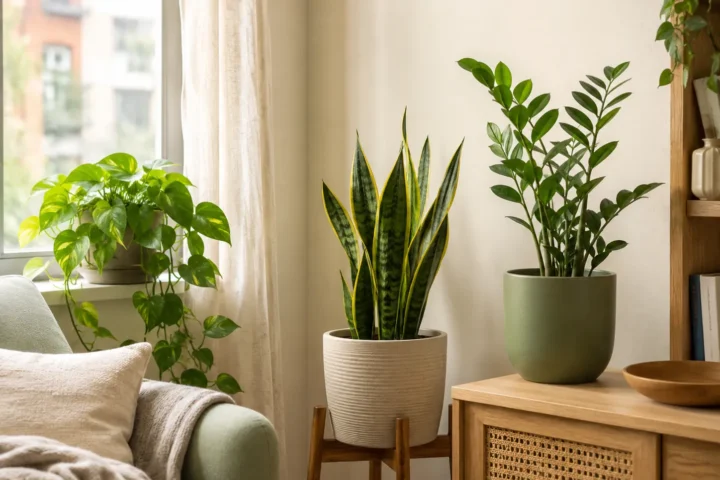
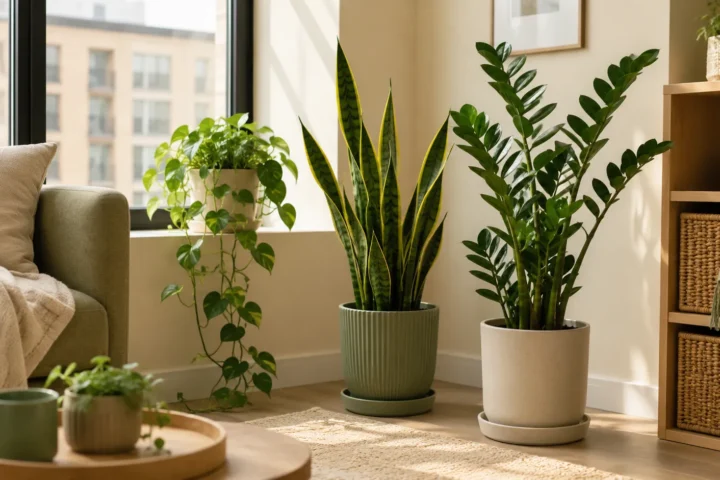
- Snake plant
- ZZ plant
- Pothos
- Spider plant
- Philodendron
These are often easier for beginners because they can handle normal indoor conditions better than many high-maintenance plants.
Simple Rule
Do not build an indoor jungle first.
Build confidence first.
Read next: Best Indoor Plants for Beginners Who Forget to Water
5. Choosing Plants Only Because They Look Pretty
This is one of the most expensive plant mistakes.
A plant may look perfect online or in a shop. But that does not mean it is right for your home.
Some plants need bright indirect light. Some like higher humidity. Some hate staying wet. Some are more sensitive to changes.
Ask These Questions Before Buying
Before buying a plant, ask:
- How much light does my home get?
- Am I good at remembering watering?
- Is this plant safe for my pets or children?
- Does it fit my space?
- Is this plant known to be beginner-friendly?
- Can I give it the care it needs?
The ASPCA keeps a toxic and non-toxic plant database for pets, which is useful if you have cats, dogs, or other animals at home. (ASPCA)
A simple before-you-buy checklist makes this much easier. The free Apartment Plant Quick-Start Guide covers the three things to check before you buy, and the Printable Plant Care Toolkit in the Apartment Plant Starter System includes a full before-you-buy checklist you can take to the shop.
6. Repotting Too Soon
Many beginners bring home a plant and repot it immediately.
Sometimes repotting is needed. But not always.
A plant already goes through stress when it moves from a shop to your home. New light, new temperature, new airflow, and a new watering routine can all affect it.
Repotting right away may add more stress.
When Repotting May Be Needed
Repotting may help if:
- Roots are growing out of the drainage holes
- Water runs straight through because there are more roots than soil
- The plant is top-heavy and keeps tipping
- The pot is cracked from root pressure
- The soil is poor, compacted, or pest-filled
University of Minnesota Extension lists roots growing out of the pot, top-heavy plants, fast-draining water, and container damage as signs that a houseplant may need repotting. (University of Minnesota Extension)
What to Do Instead
Let most new plants adjust for a little while unless there is a clear problem.
Check the roots, soil, and pot before deciding.
7. Fertilizing Too Much
Fertilizer is not plant medicine.
Many beginners use fertilizer when a plant turns yellow, droops, or grows slowly. But if the real problem is low light, wet soil, root stress, or pests, fertilizer may not fix it.
In some cases, too much fertilizer can cause salt buildup or weak growth. University of Minnesota Extension suggests starting gently with balanced houseplant fertilizer at half strength during active growth, and notes that too much fertilizer too soon can cause problems. (University of Minnesota Extension)
What to Do Instead
Before fertilizing, check:
- Is the plant getting enough light?
- Is the soil too wet?
- Does the pot drain?
- Are there pests?
- Is the plant actively growing?
If the plant is stressed, fix the care problem first.
Helpful Warning
Do not fertilize a struggling plant just because it looks sad.
Find the reason first.
8. Ignoring Yellow Leaves
Yellow leaves are common.
But they do not always mean the same thing.
A yellow leaf may happen because of:
- Overwatering
- Underwatering
- Low light
- Old leaf aging
- Root stress
- Pest issues
- Recent movement
- Poor drainage
One older yellow leaf at the bottom may not be an emergency. But many yellow leaves at once can be a sign that something needs attention.
Quick Yellow Leaf Check
| What You See | Possible Cause | Check First |
|---|---|---|
| One lower yellow leaf | Natural aging | Overall plant health |
| Many yellow leaves + wet soil | Overwatering or poor drainage | Soil and pot |
| Yellow leaves + dry crispy edges | Underwatering or dry air | Soil dryness |
| Pale leaves + long weak stems | Low light | Window distance |
| Yellow leaves + tiny flies | Damp soil/fungus gnats | Watering routine |
University of Minnesota Extension notes that overwatering and poor drainage can encourage root rot and fungus gnat issues. (University of Minnesota Extension)
Read next: Why Are My Indoor Plant Leaves Turning Yellow?
9. Not Checking for Pests
Pests can happen even in clean homes.
They may come from a new plant, old soil, open windows, or nearby plants. Common indoor plant pests include fungus gnats, mealybugs, scale, spider mites, and aphids.
A small pest problem is often easier to handle than a large one.
What to Do Instead
Check your plants weekly.
Look at:
- Leaf tops
- Leaf undersides
- Stems
- Soil surface
- New growth
- Areas where leaves meet stems
If you bring home a new plant, keep it away from your other plants for a short time and inspect it carefully. University of Minnesota Extension recommends inspecting houseplants for insects or disease and isolating plants when needed to avoid spreading problems. (University of Minnesota Extension)
Pruning scissors, sticky traps for fungus gnats, and safe pest care products may help in some cases. Always follow product labels and avoid overusing treatments.
10. Moving the Plant Too Often
When a plant looks unhappy, beginners often move it again and again.
But plants need time to adjust.
A plant may react after being moved from a shop to your home. It may also react if you suddenly move it from low light to strong sun.
University of Minnesota Extension suggests easing plants into brighter spots over a week or two because sudden strong sun can scorch some leaves. (University of Minnesota Extension)
What to Do Instead
Change one thing at a time.
For example:
- Move the plant closer to light.
- Then wait and observe.
- Do not also repot, fertilize, prune, and water heavily on the same day.
This helps you understand what actually worked.
11. Forgetting That Seasons Change Plant Care
Your plant may not need the same care all year.
In brighter months, some plants grow faster and may dry out sooner. In darker months, many indoor plants grow more slowly and use less water.
This is why a fixed watering schedule can fail.
Simple Seasonal Tip
In darker seasons:
- Check soil before watering
- Expect slower growth
- Avoid overwatering
- Reduce feeding if the plant is not actively growing
- Move plants closer to light if needed
In brighter seasons:
- Check if soil dries faster
- Rotate plants gently
- Clean dusty leaves
- Watch for new growth
- Feed only when suitable for the plant
12. Expecting Perfect Plants All the Time
Plants are living things.
They change.
A leaf can yellow. A stem can grow unevenly. A plant can lean toward light. New growth can look different from older growth.
That does not always mean failure.
Better Beginner Mindset
Instead of asking, “Why is my plant not perfect?”
Ask:
- Is the whole plant declining?
- Is this problem spreading?
- Did anything change recently?
- Is the soil too wet or too dry?
- Is the plant getting enough light?
This calm approach helps you avoid panic care.
Simple Beginner Plant Care Checklist
Use this checklist once a week.
Weekly Plant Check
- Check soil before watering
- Look at leaf color
- Check for drooping or soft stems
- Look under leaves for pests
- Make sure the pot drains
- Empty extra water from saucers
- Rotate the plant if it leans toward light
- Remove dead or fully yellow leaves
- Write down changes in a plant tracker
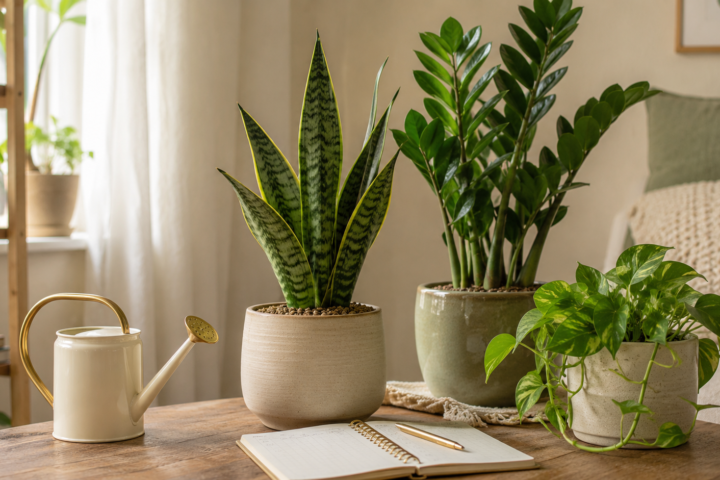
A plant care tracker can make it easier to remember watering dates, soil checks, and plant changes. It does not need to be fancy. A notebook, printable tracker, or simple spreadsheet can work.
Best Beginner Tools That May Help
You do not need many tools to start.
Here are useful tools for beginners:
1. Watering Can With Narrow Spout
A small watering can helps you water the soil without splashing everywhere.
2. Pots With Drainage
Drainage pots can reduce the risk of water sitting around roots.
3. Moisture Meter
A moisture meter may help nervous beginners check soil more confidently. Still, use it with finger checks and plant observation.
4. Grow Light
A grow light may help if your apartment has very low natural light.
5. Plant Care Tracker
A tracker can help you notice patterns, especially if you forget when you last watered.
6. Pruning Scissors
Clean pruning scissors can help remove dead leaves or trim leggy growth.
7. Beginner Potting Mix
A good indoor potting mix can support better drainage and root health.
These tools may help make plant care easier, but they do not guarantee perfect plants. Start simple and buy only what fits your real need.
FAQ
1. What is the most common beginner indoor plant mistake?
The most common mistake is watering without checking the soil first. Many beginners water on a fixed schedule, even when the soil is still wet. This can lead to root stress and overwatering problems.
2. Should beginners water indoor plants every week?
Not always. A weekly reminder is good for checking plants, but it should not always mean watering. Check the soil, pot weight, plant type, and light level before adding water.
3. Why do beginner houseplants get yellow leaves?
Yellow leaves can happen because of overwatering, underwatering, low light, poor drainage, pests, root stress, or natural aging. Look for patterns before reacting.
4. Are low-light plants good for beginners?
Yes, many low-light tolerant plants are good for beginners. But low light does not mean no light. Even beginner-friendly plants still need usable light to stay healthy.
5. Do beginners need a moisture meter?
A moisture meter is optional. It may help beginners feel more confident, but you can also check soil with your finger and observe the plant. Do not rely on one tool only.
6. How many plants should a beginner start with?
Start with one to three easy plants. This makes it easier to learn your home’s light, watering pattern, and plant care routine before buying more.
Conclusion
Avoiding beginner indoor plant mistakes does not mean being perfect.
It means learning a few simple habits.
Check the soil before watering. Give plants usable light. Use pots with drainage. Start with easy plants. Watch for patterns before panicking. Change one thing at a time.
Indoor plant care for beginners becomes easier when you stop guessing and start observing.
For a simple next step, visit the Start Here page or download the free low-light plant guide. It will help you choose beginner-friendly plants that fit real apartments, busy routines, and cozy small spaces.
Start here: Free Low Light Plant Guide
New to apartment plants?
Download the free Apartment Plant Quick-Start Guide — five forgiving low-light plants, the one watering rule, and a 10-minute weekly routine.
Download the Free Guide